Hall I
Dawn Orangery
Open
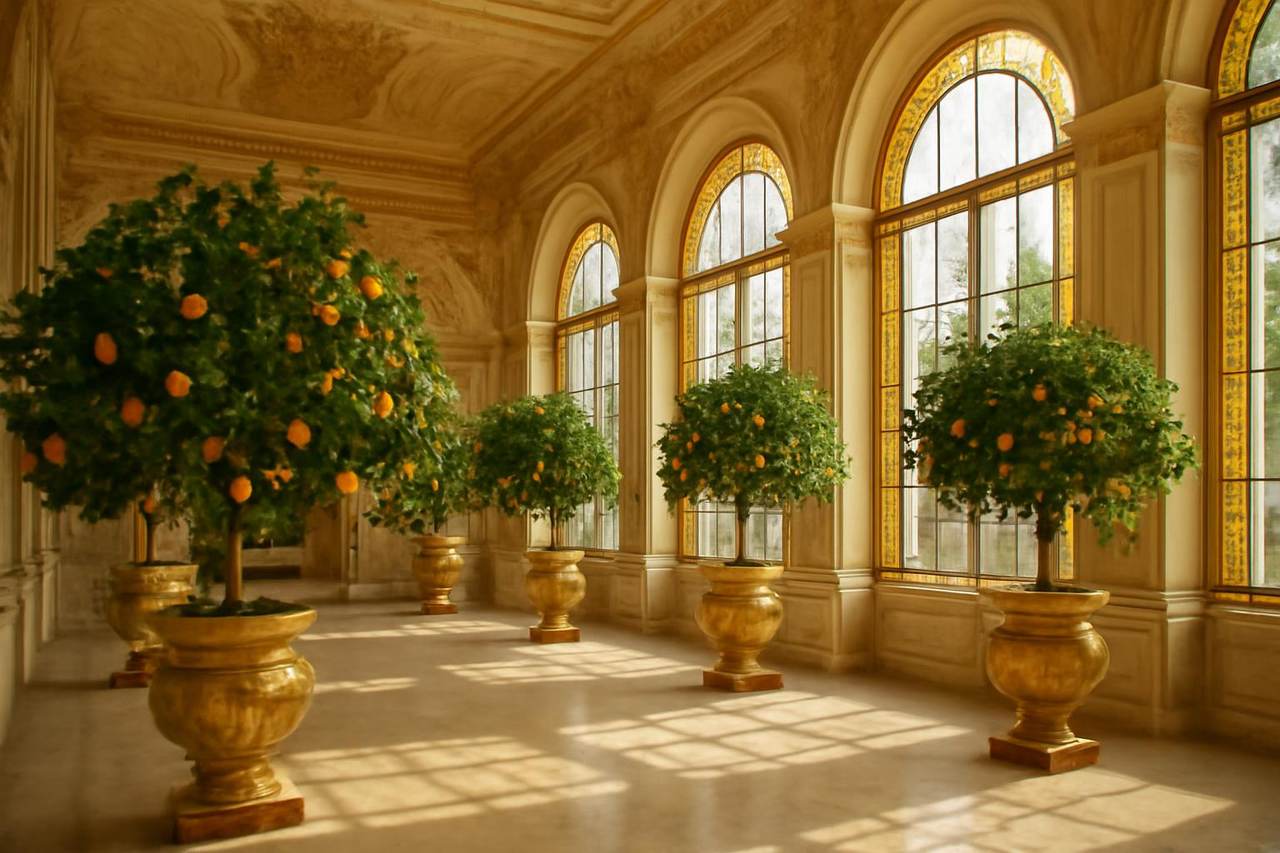
Morning gold stain and citron leaves. Match cut and hue. The shards already sit in the correct turn.
Foliora
Hall I
Choose a tessera, then seat it in a matching came.
Window sealed
Five palace halls
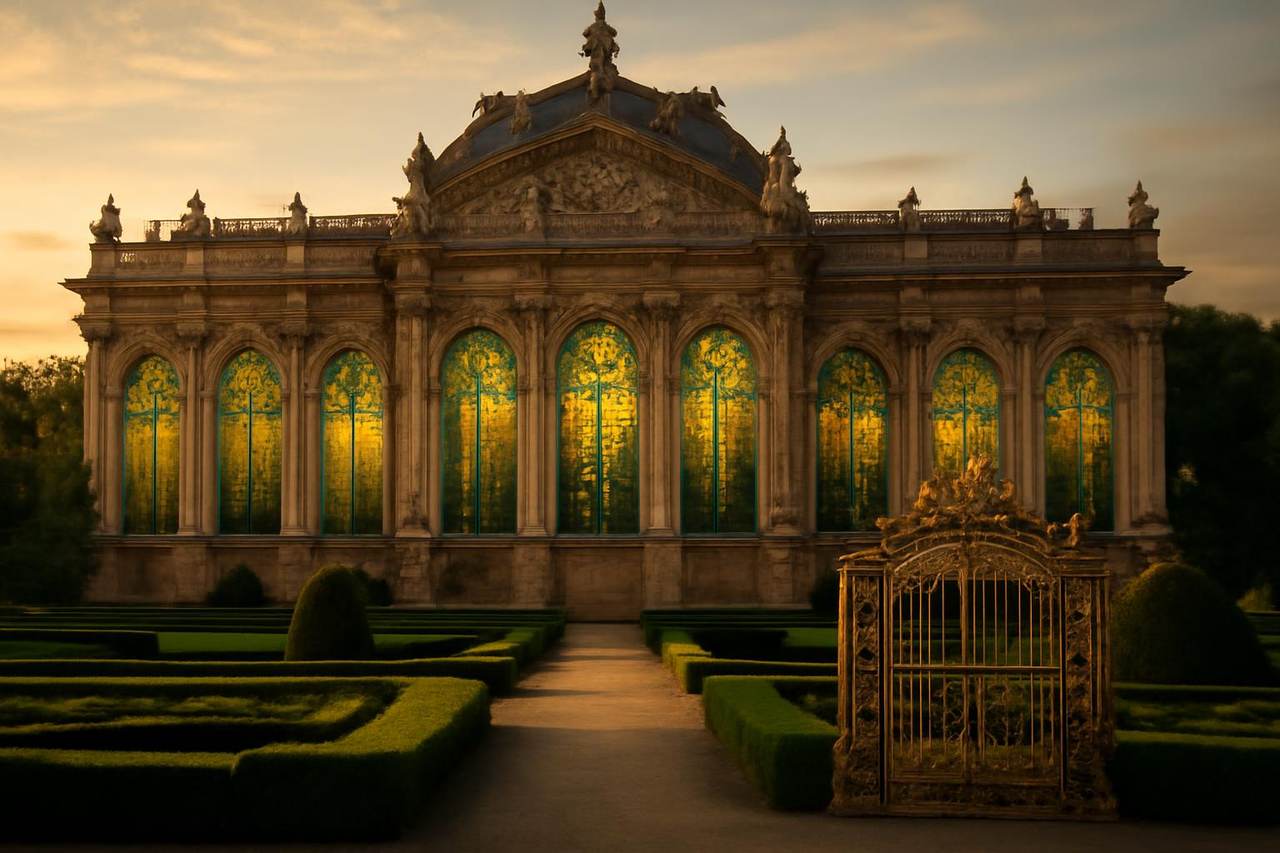
Each hall keeps its own discipline. The next colonnade stays shuttered until every window in the hall before it is sealed.
Hall I
Open
Morning gold stain and citron leaves. Match cut and hue. The shards already sit in the correct turn.
Hall II
Shuttered
Fragments arrive turned. Align each vein with the radial came before the lead can close.
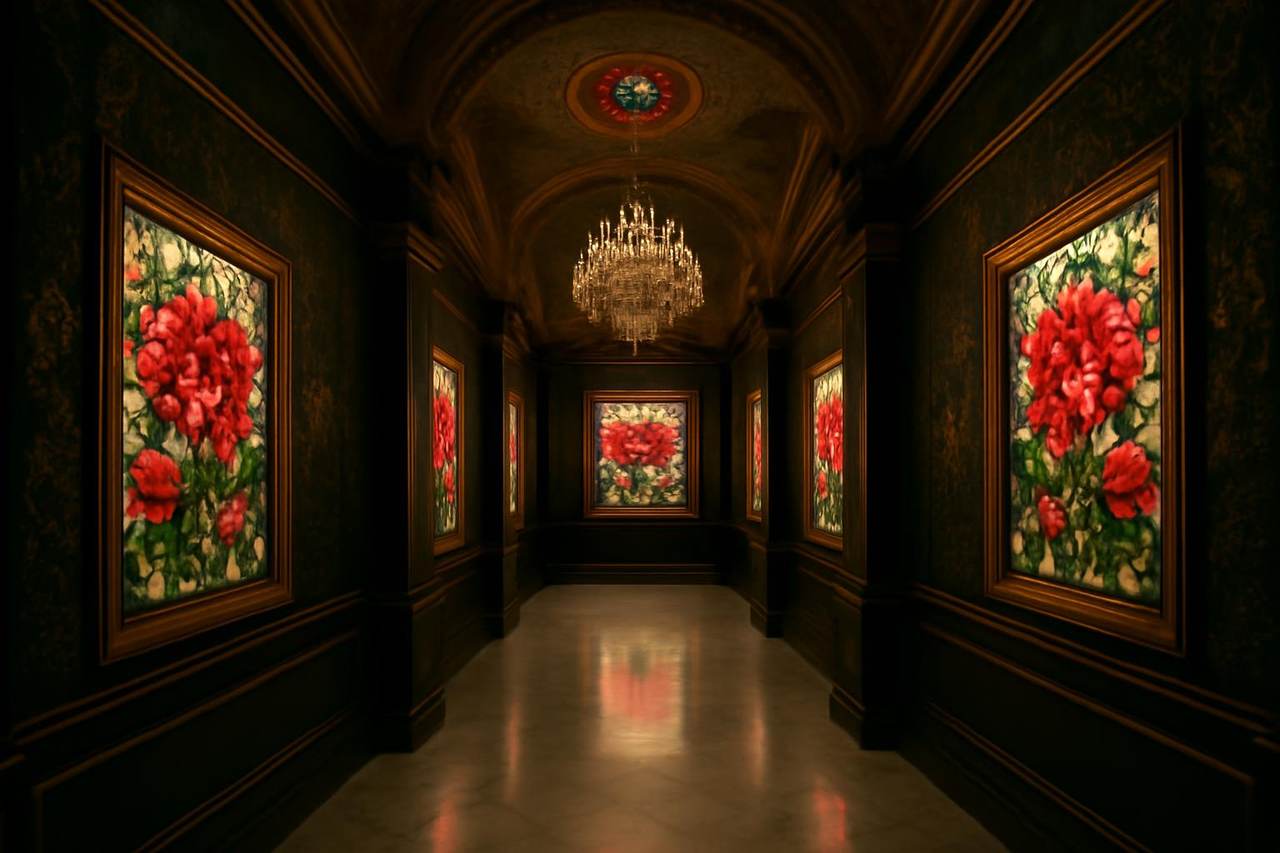
Hall III
Shuttered
Sunlight must walk inward. Seat the outer ring first so the inner petals can take color.
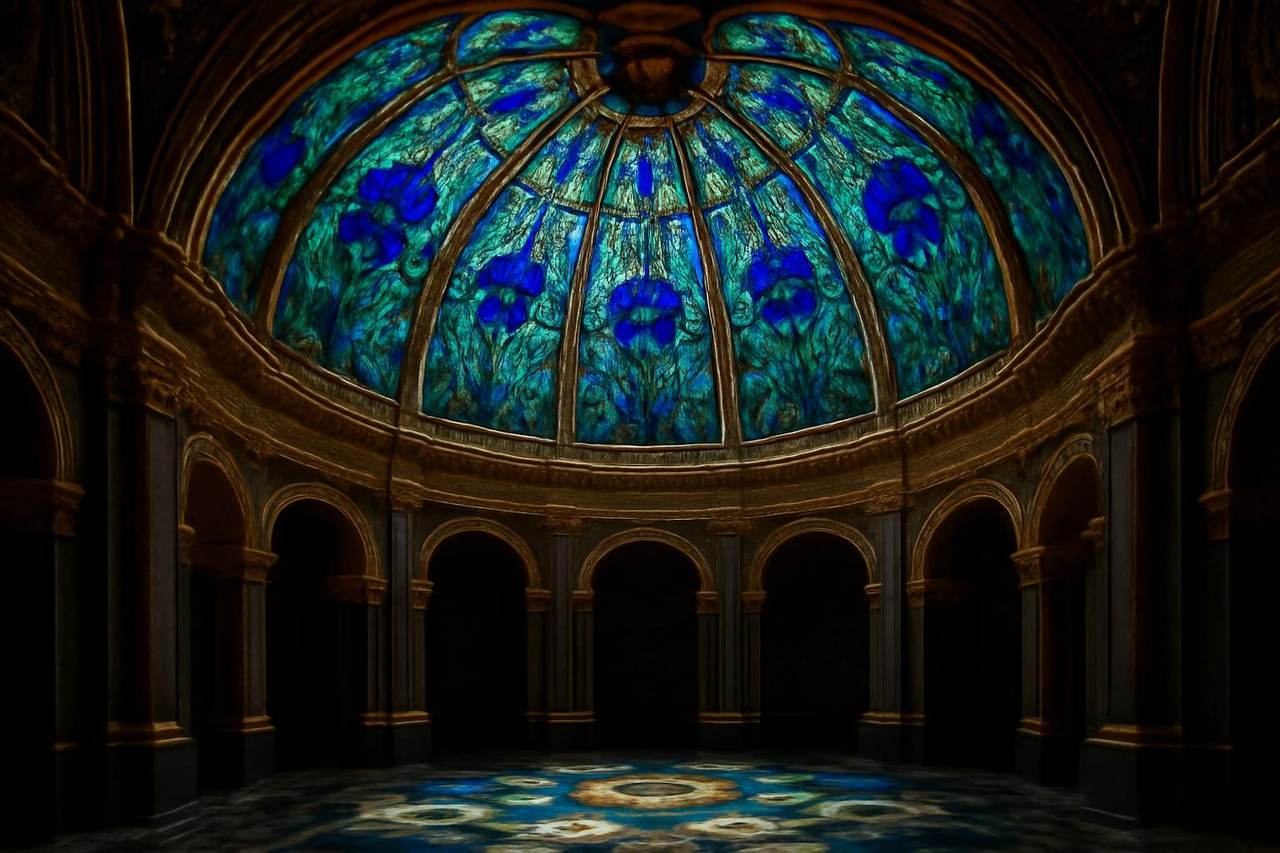
Hall IV
Shuttered
The vault is bilateral. A tessera seated on one side writes its twin across the axis.
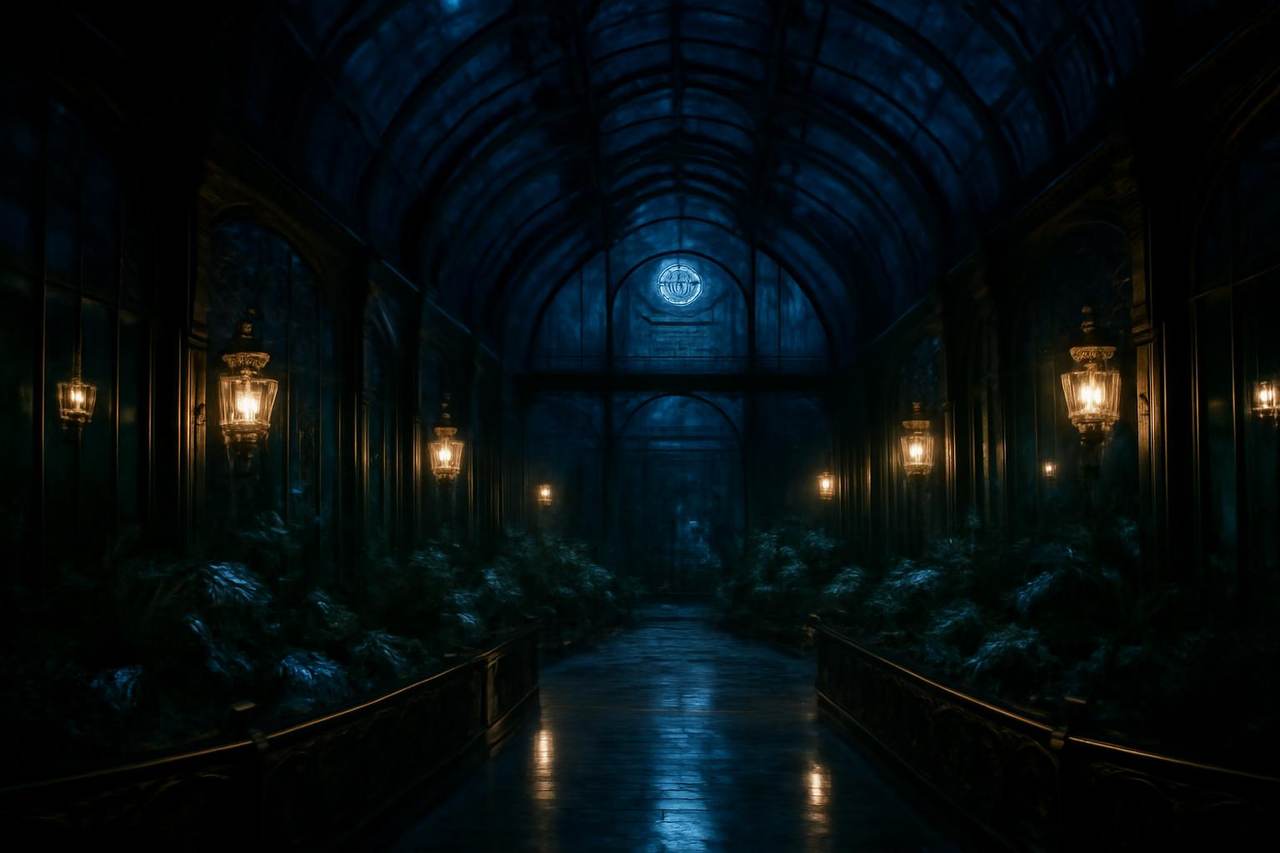
Hall V
Shuttered
Turned shards, a sun path, and a short light budget. The last windows of the palace.
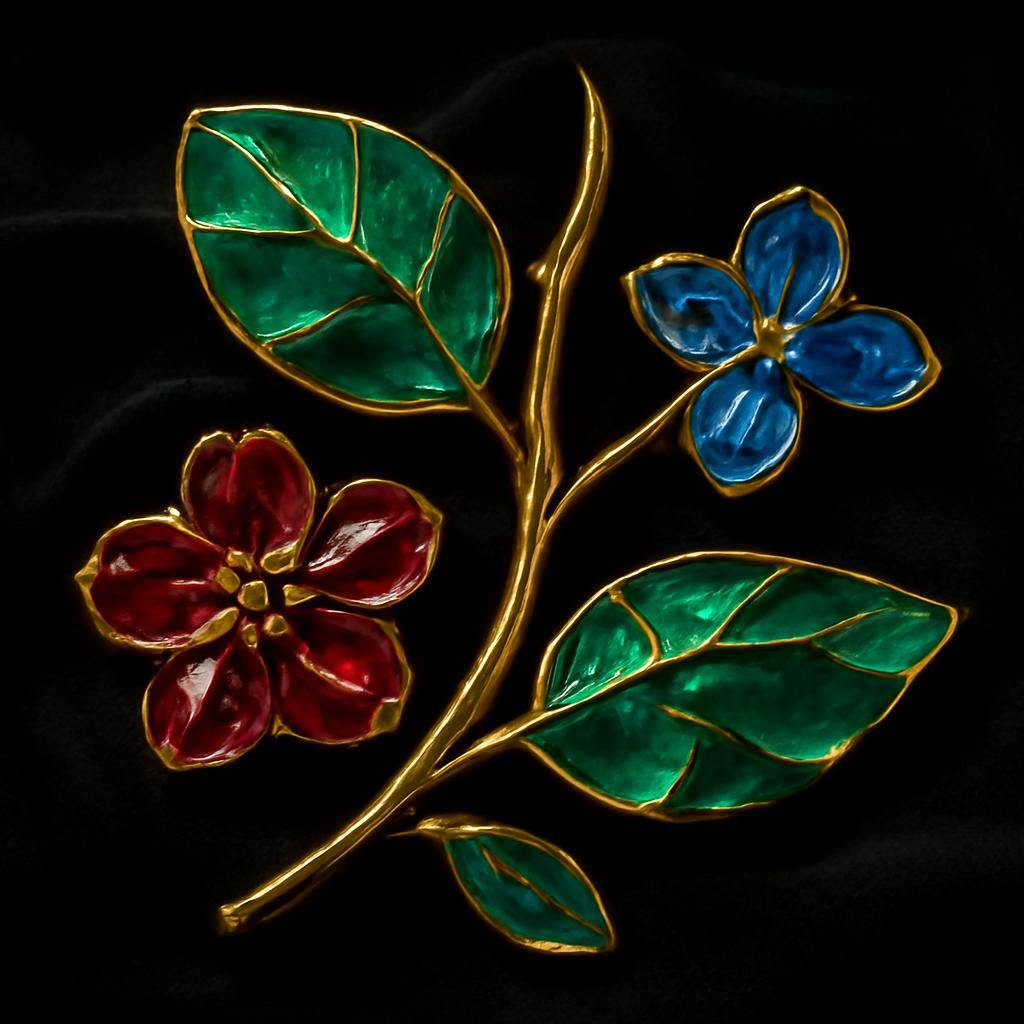
Rare glass plants
Each sealed window yields a botanical tessera for the palace book. Locked entries stay as silhouettes until their window is restored.
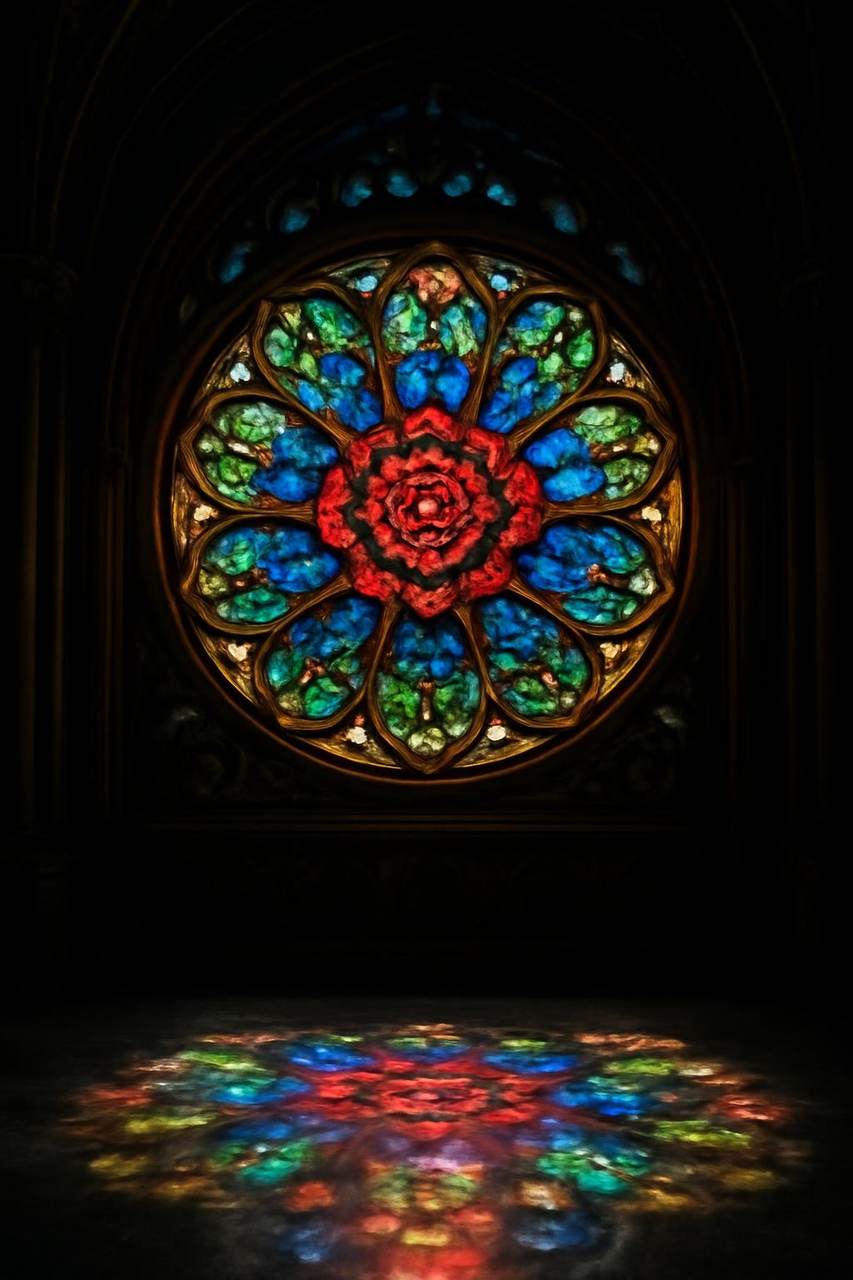
Lead and light
Foliora treats restoration as a craft of cames, hues, and botanical silhouettes rather than a simple jigsaw.
H-section lead holds each tessera. The dark lines on the rose window are those channels. A piece seats only when its outline matches the came and its hue matches the cartoon painted on the bench.
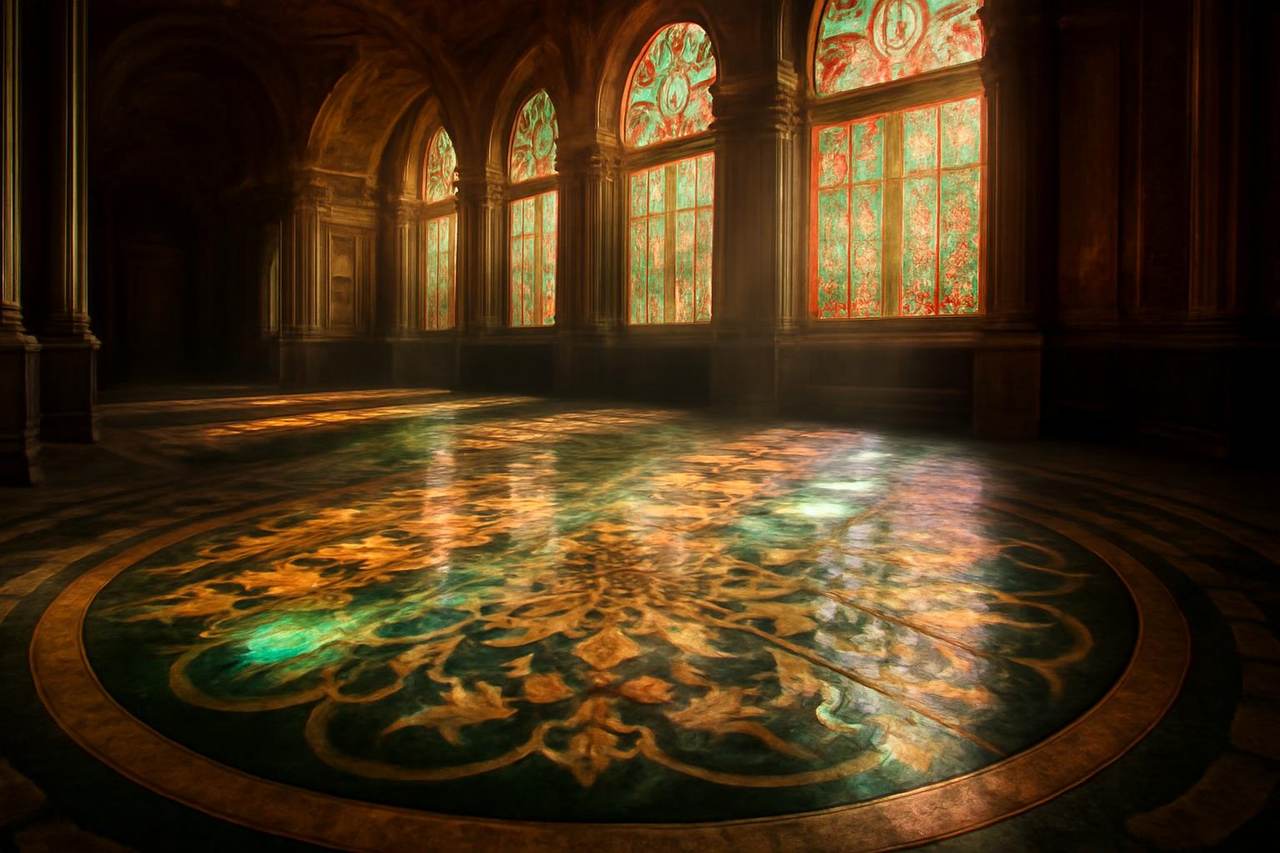
In the Camellia Gallery the outer ring is the only glass the morning can touch. Once that ring ignites, light walks inward along the same sector. Inner petals stay dark until their outer neighbor is sealed.
Emerald is copper in the melt. Gold stain is silver painted on the surface and fired. Ruby uses gold chloride. Sapphire is cobalt. Amber is iron and sulfur. Amethyst is manganese. Foliora uses these six metals as the only palette of the palace.
Six botanical cuts appear across the halls: lance leaf, ivy, bloom, ginkgo fan, dew drop, and kite quarry. Later halls deliver them already turned, so the vein must be rotated onto the radial came.
The Iris Vault was designed as a bilateral cartoon. Seating a tessera on the left writes the same cut and hue on the right. Axis sectors have no twin and must be placed by hand.
Night lamps in the last hall hold only a short charge. Every seat spends one measure. A hint spends two more. Finish before the lamps go out, or the cartoon resets.
Palace book
Sealed windows, best light, and the halls you have opened stay on this device.
This removes sealed windows, flora, and best light from the device. The halls return to their first shuttered state.